

Electrostatic Photoresist "Elecoat EU-XC Series"
Formation of resist by electrophoretic method
It is a negative-type photoresist solution. The resist is formed using an electrophoretic method.
- Company:シミズ
- Price:Other
1~9 item / All 9 items
Formation of resist by electrophoretic method
It is a negative-type photoresist solution. The resist is formed using an electrophoretic method.

Electrodeposition process of negative-type photoresist to achieve high-precision plating areas.
The Erecote EU-XC process is a photoresist electrophoretic process that achieves high-precision partial plating on uneven surfaces and three-dimensional shapes. This electrophoretic resist has excellent chemical resistance and can be used as a resist for silver cyanide plating, as well as for gold plating and copper sulfate plating. It features excellent edge coverage and achieves high-precision developability. It is a negative-type electrophoretic photoresist that enables precise partial plating and can also be used as an etching resist.
![[Developed Product] Negative Type Anionic Electrophoretic Photoresist](https://image.mono.ipros.com/public/product/image/7c6/2001425387/IPROS60122774361252602580.png?w=280&h=280)
It is a negative-type anion electrostatic photoresist!
Since it is an anionic electrophoretic negative-type photoresist, the developer and stripping solution will be alkaline. The developer and stripping solution are not specialized products.
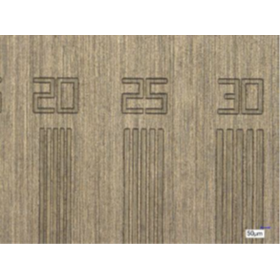
Negative-type anionic electrodeposition photoresist contributing to fine structure formation.
In the micro-machining manufacturing industry and fine structure formation, precise patterning is required. In particular, accurately reproducing complex shapes and fine irregularities is essential, as it directly affects the performance and functionality of the products, making advanced technology indispensable. Insufficient patterning can lead to reduced yield and performance issues in products. This product addresses these challenges as a negative-type photoresist for anionic electrodeposition. 【Application Scenarios】 - Precise pattern formation in micro-machining processes - Manufacturing of components with fine structures - Fields requiring high-precision surface processing 【Benefits of Implementation】 - Supports accurate formation of fine structures - Potentially contributes to improved product performance - May enhance the efficiency of development and manufacturing processes
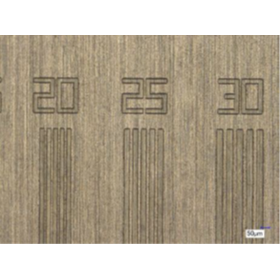
Negative-type anionic electrophoretic photoresist contributing to pixel electrode formation.
In the display manufacturing industry, particularly in pixel electrode formation, fine and uniform patterning is required. High resolution and reproducibility are directly linked to the quality of the display, making the performance of photoresists extremely important. Improper development or stripping can lead to defects and potentially affect product yield. This product addresses these challenges as an anionic electrophoretic negative-type photoresist. 【Application Scenarios】 - Formation of pixel electrodes for display panels - Manufacturing of electronic components requiring fine patterning 【Effects of Implementation】 - Improved patterning accuracy through uniform development and stripping - Applicability to uses that leverage the characteristics of the developed product
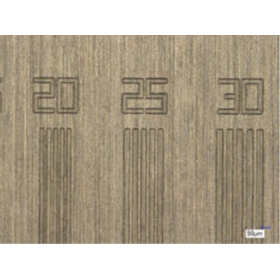
For the formation of wiring patterns in printed circuit board manufacturing. Negative-type anionic electrodeposition photoresist.
In the formation of wiring patterns for printed circuit board manufacturing, the creation of fine and precise circuit patterns is required. Particularly, to consistently produce reliable products, the uniform application of photoresist and the certainty of the development and stripping processes are crucial. Inadequate pattern formation can lead to circuit disconnections or shorts, potentially causing a decline in product quality and defects. This product contributes to solving the challenges of wiring pattern formation in printed circuit board manufacturing as a negative-type photoresist for anionic electrodeposition. 【Usage Scenarios】 - Formation of wiring patterns for printed circuit boards - Patterning of fine circuits 【Effects of Implementation】 - Formation of accurate circuit patterns - Improvement in product reliability
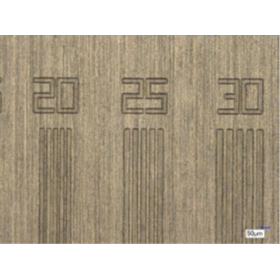
Negative-type anion electrodeposition photoresist contributing to the formation of solar cell electrodes.
In the energy sector, particularly in the formation of solar cell electrodes, precise patterning and high reliability are required. High-precision photoresist technology is essential for achieving miniaturization of electrodes and complex structures. Inappropriate resist materials or processes can lead to a decline in electrode performance and an increase in manufacturing costs. Our negative-type anionic electrodeposition photoresist has been developed to address these challenges. 【Application Scenarios】 - Patterning in the formation of solar cell electrodes - Other fields of electronic components requiring precise pattern formation 【Benefits of Implementation】 - High-precision pattern formation in solar cell electrode formation - A product in the development stage, with the potential for adjustments to meet customer needs
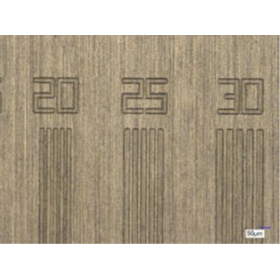
Negative-type anionic electroplating photoresist supporting fine circuit formation.
In the formation of fine circuits for semiconductor manufacturing, high-precision patterning is required. Particularly in complex circuit designs, uniform application of photoresist and accurate exposure and development processes are essential for the performance and reliability of the products. Improper pattern formation can lead to circuit shorts, disconnections, and performance degradation. This product, as a negative-type photoresist for anionic electrodeposition, uses alkaline solutions for the developer and stripping solution, and supports development in sodium carbonate aqueous solution and stripping in sodium hydroxide. [Application Scenarios] - Fine circuit patterning on semiconductor wafers - Precise resist application in electronic component manufacturing [Effects of Implementation] - Achieving high-precision fine circuit formation - Contributing to improved yield - Supporting the manufacturing of reliable semiconductor products
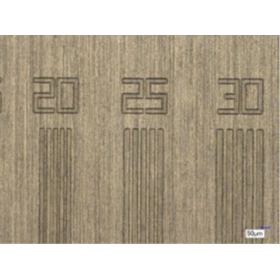
Negative-type anionic electrodeposition photoresist ideal for sensor coating.
In the automotive parts manufacturing industry, particularly in sensor coating, precise pattern formation and high reliability are required. To maximize the performance of sensors and maintain stable operation even in harsh usage environments, a photoresist capable of accurately forming fine circuit patterns is essential. Our negative-type anionic electrodeposition photoresist is compatible with the anionic electrodeposition process and can be processed with alkaline developing and stripping solutions. This enables precise coating on sensor surfaces and contributes to the improvement of product quality. 【Application Scenarios】 - Circuit pattern formation for automotive sensors - Application to electronic components requiring precise coating 【Benefits of Implementation】 - Improved sensor performance through high-definition pattern formation - Extended product lifespan due to reliable coating - Compatibility with alkaline developing and stripping solutions
